
Winter Park Library
Winter Park Library reduces stormwater runoff by 100% using Belgard® Eco-Holland® Permeable Pavers
Every Project Starts with a Purpose
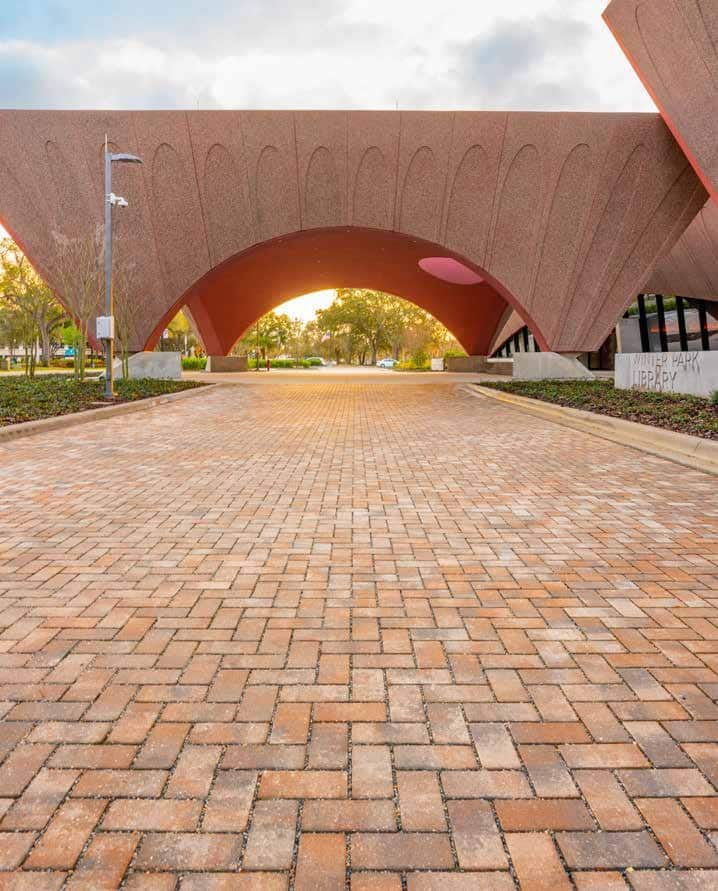
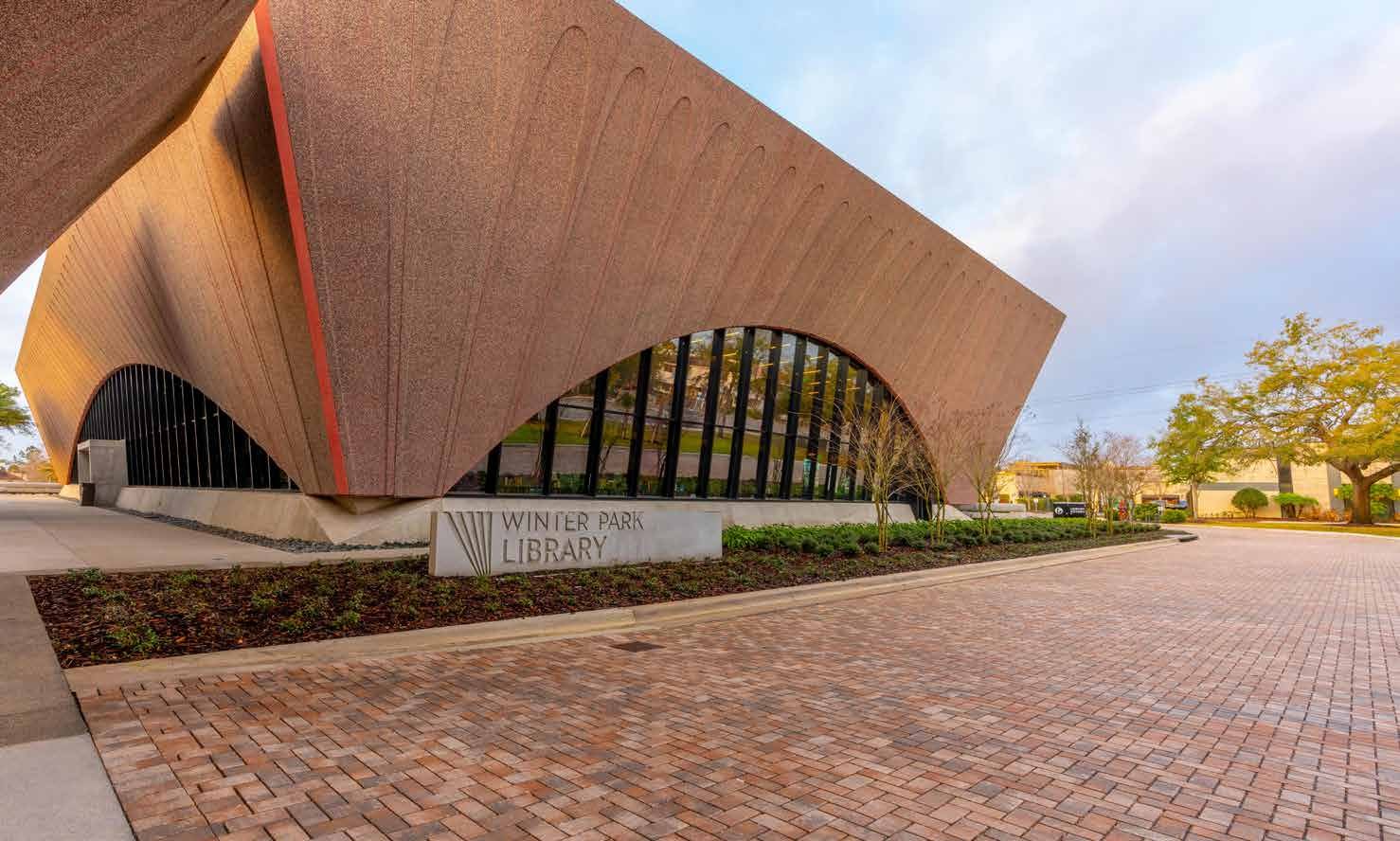
The Winter Park Library in Winter Park, Florida, traces its origins to 1885, when nine women formed a lending library with books stored on one of their porches. More than 130 years later, in December 2021, the Winter Park Library celebrated the opening of a 21st century, world-class campus designed by renowned architect Sir David Adjaye, partnering with local firm HuntonBrady.
Located in Huron, Ohio, on the south-central shore of Lake Erie, Old Woman Creek National Estuarine Research Reserve (OWC NERR) is part of a network of 28 coastal reserves connected nationally through the National Oceanic and Atmospheric Administration (NOAA) to address state and regional coastal management needs through research, education, and stewardship. The National Estuarine Research Reserve System uses its network of living laboratories to help understand and find solutions to crucial issues facing America’s coastal communities.
The Solution
Solving for Style, Function, and Durability
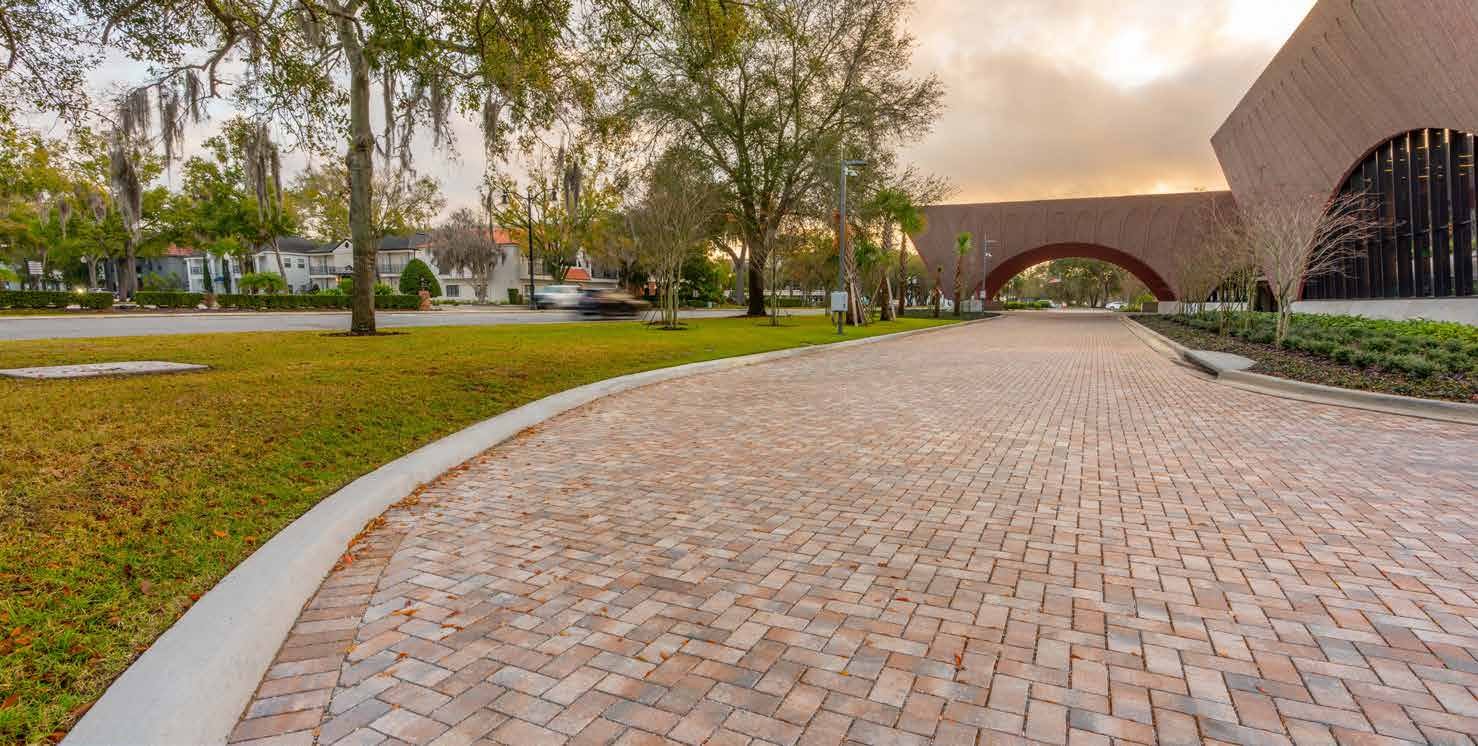
To manage stormwater and protect the quality of Lake Mendsen, engineers designed a stormwater infiltration system that included roughly 100,000 square feet of Belgard’s Eco-Holland Permeable pavers. The design team reached out to Belgard for assistance to ensure that the sandy soils onsite could infiltrate the design storms. Designers provided site information including a soil report showing the onsite soils had a calculated infiltration rate of 13.7 feet/day (6.75 in/hr.), which proved to be more than adequate for the design storms.
Paul Cureton, P.E., with Belgard’s commercial engineering team, provided design and technical assistance throughout the project including responses to comments from the St. Johns River Water Management District. “The goal was to isolate the retention of the water as much as possible to the system, so it wouldn’t flow into the lake,” said Cureton. “Whatever water does get into Mendsen will have been filtered by the system prior, maintaining quality.”
The Result
A Lasting Impression:
The Final Transformation
The Belgard permeable paver system, featuring Eco-Holland pavers, was designed to meet the stormwater quality and storage requirements of the St. Johns River Water Management District, the regulatory agency reviewing the project stormwater, while providing a robust, long-lasting, and easy to maintain driving surface. The system’s ingenuity starts as water infiltrates the paver surface and the required water treatment begins as it filters through the aggregate between the pavers. Storage is then provided through infiltration into the native soils and the void space in the open-graded aggregate layers. The infiltration into the soil, the void space between the individual rocks, and the thickness of the stone layer is the key to providing sufficient storage and keeping all the stormwater onsite and out of Lake Mendsen.
The designers chose Eco-Holland permeable pavers because they were inexpensive for the city, regionally made, and offered a good color selection. The Napoli color was chosen because it fit the warm tones used throughout the campus. The landscape architect liked the marbling of Napoli and the fact that it was not a solid color, and used salt and pepper granite as the joint material between the pavers to complete the aesthetic.
PaverScape, a specialty contractor, installed the system and made recommendations based on their own experience with pavers, retaining walls and permeable applications. Jeff Wayner, project manager with PaverScape, recommended using a 90-degree herringbone pattern instead of the running bond originally considered for the project. “With such a large space that has so much vehicle traffic, the movement of tires will naturally shift the pavers some in time—particularly in a very linear pattern such as a running bond,” he explains. “The 90-degree herringbone gives the area a better locking mechanism and will also hide slight shifts as they happen.”
Belgard performed surface infiltration testing in accordance with ASTM C1781 Standard Test Method for Surface Infiltration Rate of Permeable Unit Pavement Systems 3 months after the installation and found the infiltration rate to be 520 in/hr. Surface infiltration rate testing is used to determine if the permeable paver system is functioning properly upon installation, and can be performed annually to monitor the system function. When the surface infiltration rate has been reduced to 10 in/hr., then restorative maintenance is required. The results are being used to support adding Belgard permeable pavers to BMP Trains, as an accepted water quality BMP. The BMP Trains model was developed by the University of Central Florida, and approved and used by the Florida DOT, as well as all 5 Stormwater Management Districts in Florida, to model nutrient loading and nutrient reduction effectiveness of various stormwater BMPs.
The library held a community open house on December 11, 2021, including a ceremonial book transfer from the old library location to the new one and began regular library operations two days later.





PLAN + DESIGN
Smarter Planning. Better Design.
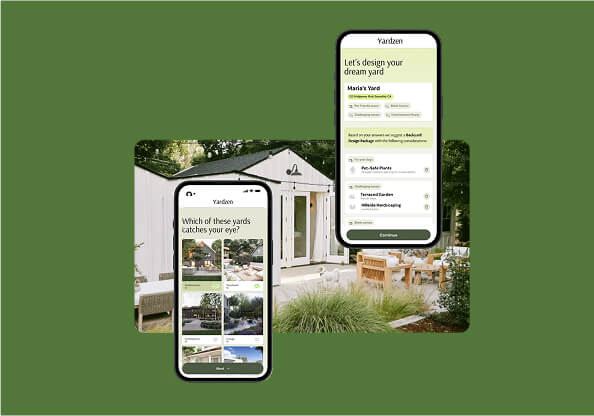
Belgard isn’t just here to provide the product—we’re your partner in planning and design. From first ideas to final layout, we make it easy to bring your outdoor vision to life.


Outdoor Living Awaits
Let’s build something beautiful together
Outdoor living solutions for homeowners, contractors, and designers.
We’ll listen to your needs, help identify the right products and design approach, and guide you toward a tailored solution that brings your outdoor vision to life.